
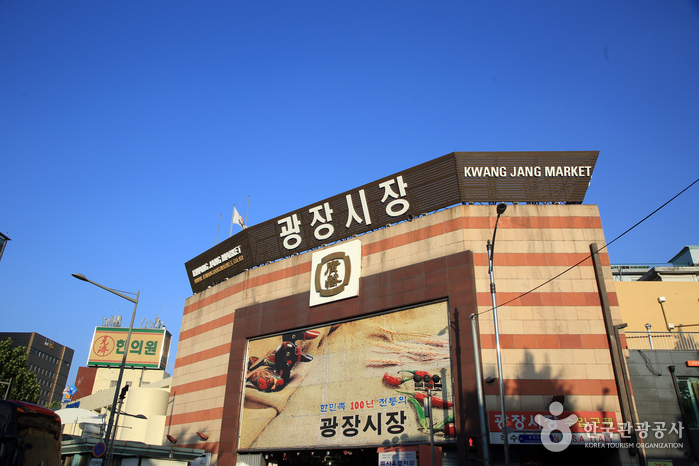
Gwangjang Market광장시장
Name translated by Tripbloom
서울특별시 종로구 창경궁로 88
Nearest subway station
1Jongno 5(o)ga
about 207 m away
About
In the final years of the Korean Empire, the domestic situation was in growing turmoil, and the country became an arena of rivalry among great powers such as Japan and China, its fate hanging by a thread. After the Eulsa Treaty was signed in 1905, Japan took control of the actual exercise of sovereignty. Japan pursued a policy of economic aggression, and one example was its seizure of the right to manage Namdaemun Market. In response, Gwangjang Market in Jongno was opened as a new economic breakthrough. This was the birth of Korea's first permanent market, in 1905. The market was originally to be built by covering the stream between Gwanggyo (Wide Bridge) and Janggyo (Long Bridge), so it was named Gwangjang (廣長) Market, taking the first character of each bridge's name to mean 'wide and long.' However, when the site moved to Baeogae, the pronunciation of the name was kept while its meaning was changed to 'to gather widely and keep,' giving us today's Gwangjang (廣藏) Market. When the market first opened, its main goods were agricultural and marine products, firewood, and charcoal. It was a small, simple market where goods were brought in by ox and horse carts from places such as Gapyeong, Ttukseom, Icheon, and Cheorwon. Now, well over 100 years later, it has grown into a comprehensive market that trades in large quantities of silk and fabric (for hanbok), textiles (for suits and dresses), women's clothing, curtain fabric, bedding, embroidery goods, mother-of-pearl lacquerware, kitchenware, imported goods, fruit and vegetables, dried seafood, ancestral rite supplies, fish, meat, and vegetables. The busiest part of Gwangjang Market is the food alley formed where the East Gate, North Gate 2, and South Gate 1 meet. It draws people of all ages, from students to the middle-aged and seniors. Today, Gwangjang Market has become a world-famous tourist destination visited by many foreign travelers coming to Korea.
Description translated by Tripbloom from Korea Tourism Organization data
 K-MetroKorea Subway Map · route to Jongno 5(o)gaOpen
Events nearby
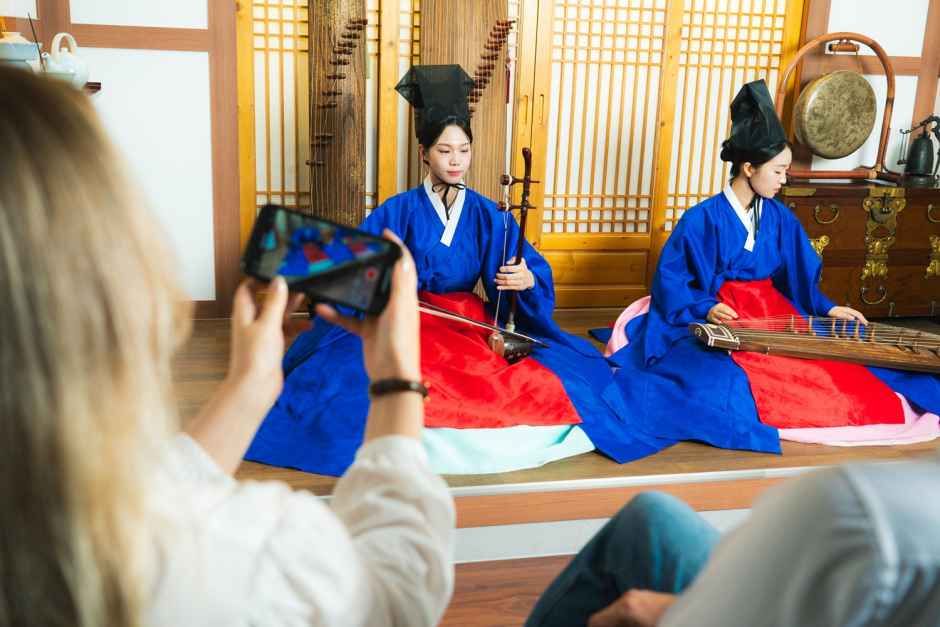
Gugak Performance Jinyeon (국악공연 진연)
Thu, Jan 1 – Thu, Dec 31

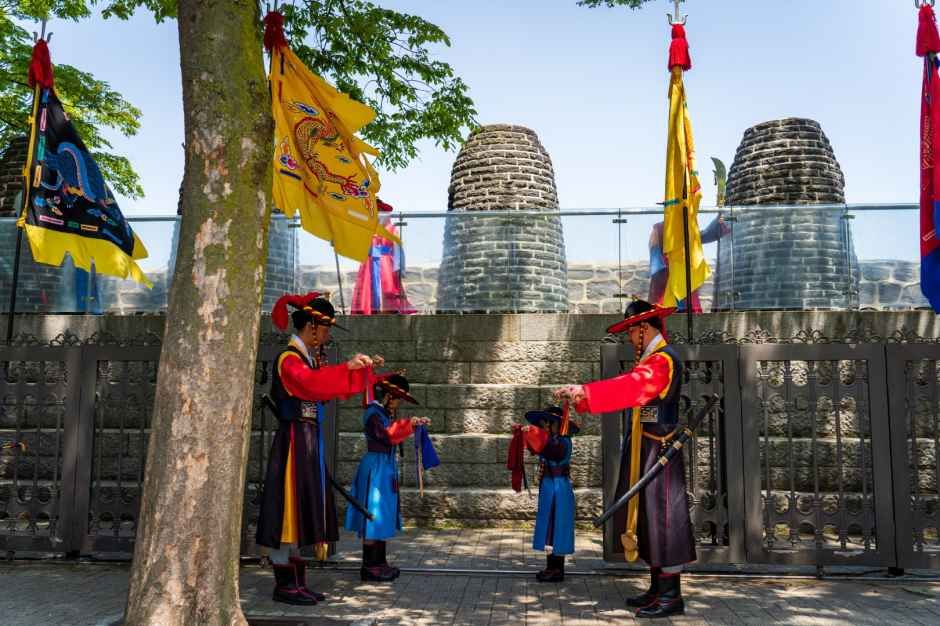
Namsan Beacon Fire Ceremony and Traditional Events (남산봉수의식 등 전통문화행사)
Thu, Jan 1 – Thu, Dec 31Free entry


DDP Architecture Tour (DDP 건축투어)
Thu, Jan 1 – Thu, Dec 31
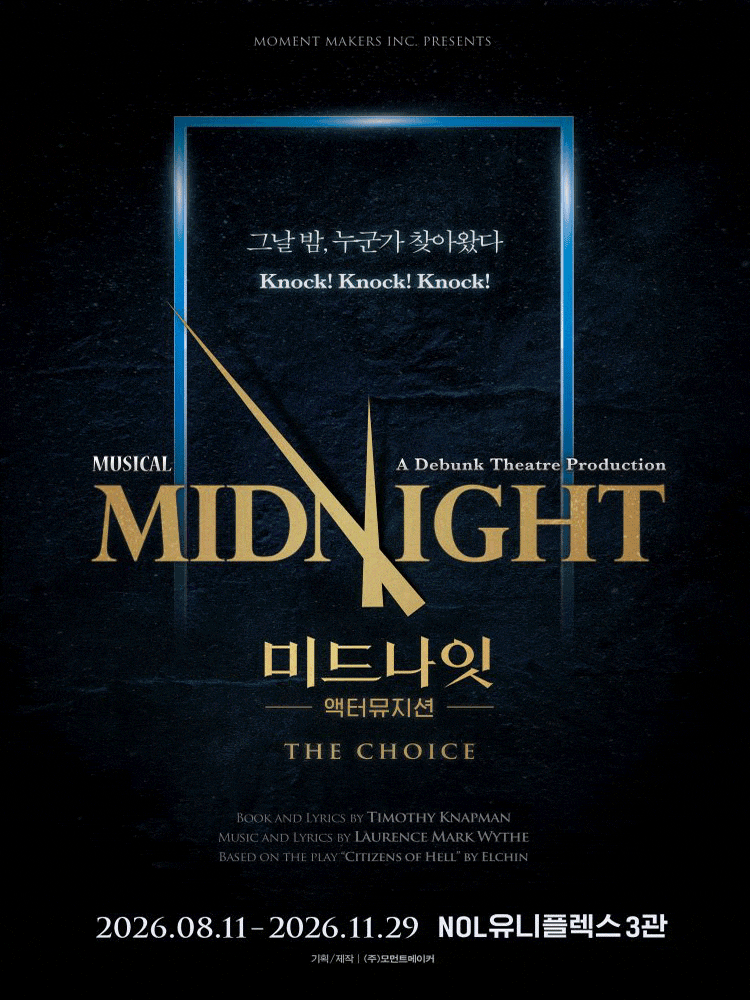
[Daehangno] Midnight: Actor-Musician — THE CHOICE ([대학로] 미드나잇: 액터뮤지션 THE CHOICE)
Tue, Aug 11 – Sun, Nov 29
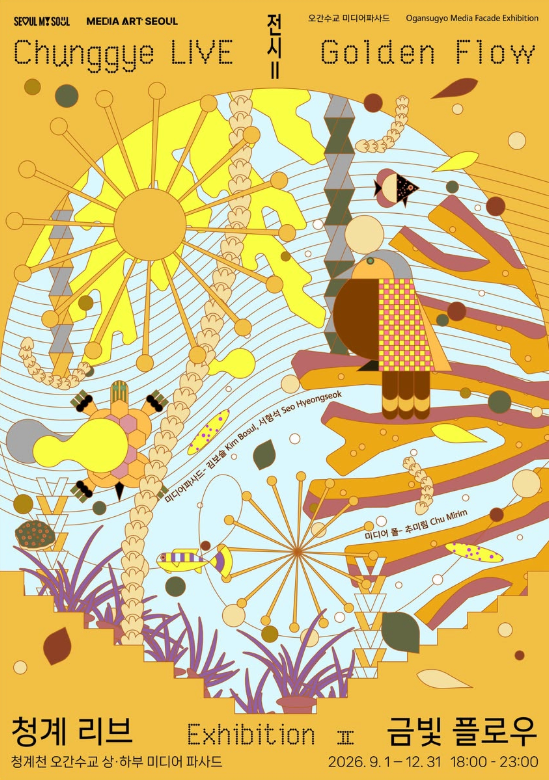
Ogansugyo Media Facade “Cheonggye LIVE: Golden Flow” (2026 오간수교 미디어파사드 사계2전시 《청계 리브(LIVE): 금빛 플로우》)
Tue, Sep 1 – Thu, Dec 31Free entry
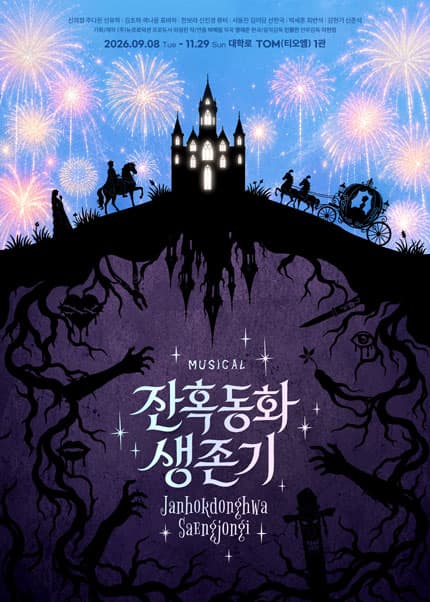
[Daehangno] Surviving a Cruel Fairy Tale ([대학로] 잔혹동화 생존기)
Tue, Sep 8 – Sun, Nov 29
Nearby places

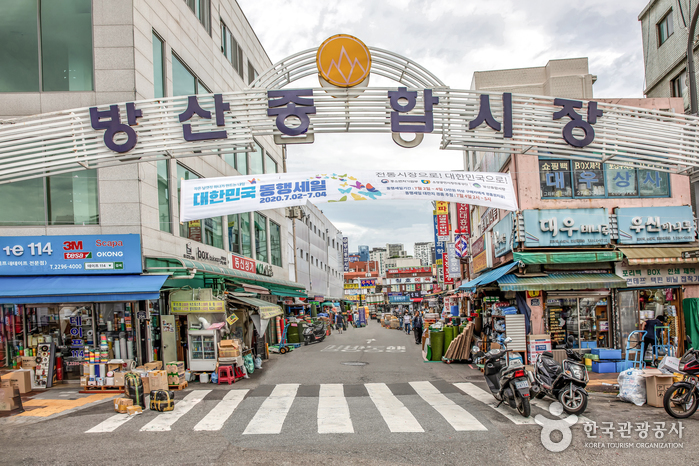





Photo & data: Korea Tourism Organization · KOGL Type 3