

Honghwamun Gate of Changgyeonggung Palace창경궁 홍화문
Name translated by Tripbloom
서울특별시 종로구 창경궁로 185 (와룡동)
Nearest subway station
4Hyehwa
about 609 m away
About
Honghwamun Gate of Changgyeonggung Palace is the palace’s main gate. “Honghwa” means “spreading harmony”—that is, “practicing virtue to inspire the people and spreading it far and wide.” The gate was first built when Changgyeonggung Palace was founded, burned down during the Imjin War, and was rebuilt in 1616 (the 8th year of King Gwanghaegun’s reign). While Donhwamun, the main gate of Changdeokgung Palace—also part of the Eastern Palaces—is five bays wide at the front, Honghwamun was built on a smaller scale, three bays wide. Honghwamun was also a place where the king met his people in person. In 1750 (the 26th year of King Yeongjo’s reign), before introducing the Gyunyeokbeop (Equalized Tax Law), King Yeongjo came out to Honghwamun to meet yangban aristocrats and commoners and hear their views on reforming the tax system. In 1795 (the 19th year of King Jeongjo’s reign), King Jeongjo is said to have handed out rice to the poor outside Honghwamun to celebrate the 60th birthday of his mother, Lady Hyegyeong of the Hong clan (Empress Heongyeong). Honghwamun was designated a Treasure in 1963. The two-story building is three bays wide and two bays deep and is notable for facing east. Its hipped roof (ujingak style) appears trapezoidal when viewed from the front. The decorative brackets (gongpo) that support the eaves are in the dapo style, placed not only on top of the pillars but also between them. On the lower level, each bay between the pillars has a pair of doors for people to pass through, while the upper level has a wooden floor and small plank doors on the front and back walls that can be opened and closed. The carvings at both ends of the roof ridge and the figures on the gently curving descending ridges further enhance the building’s dignity.
Description translated by Tripbloom from Korea Tourism Organization data
 K-MetroKorea Subway Map · route to HyehwaOpen
Events nearby
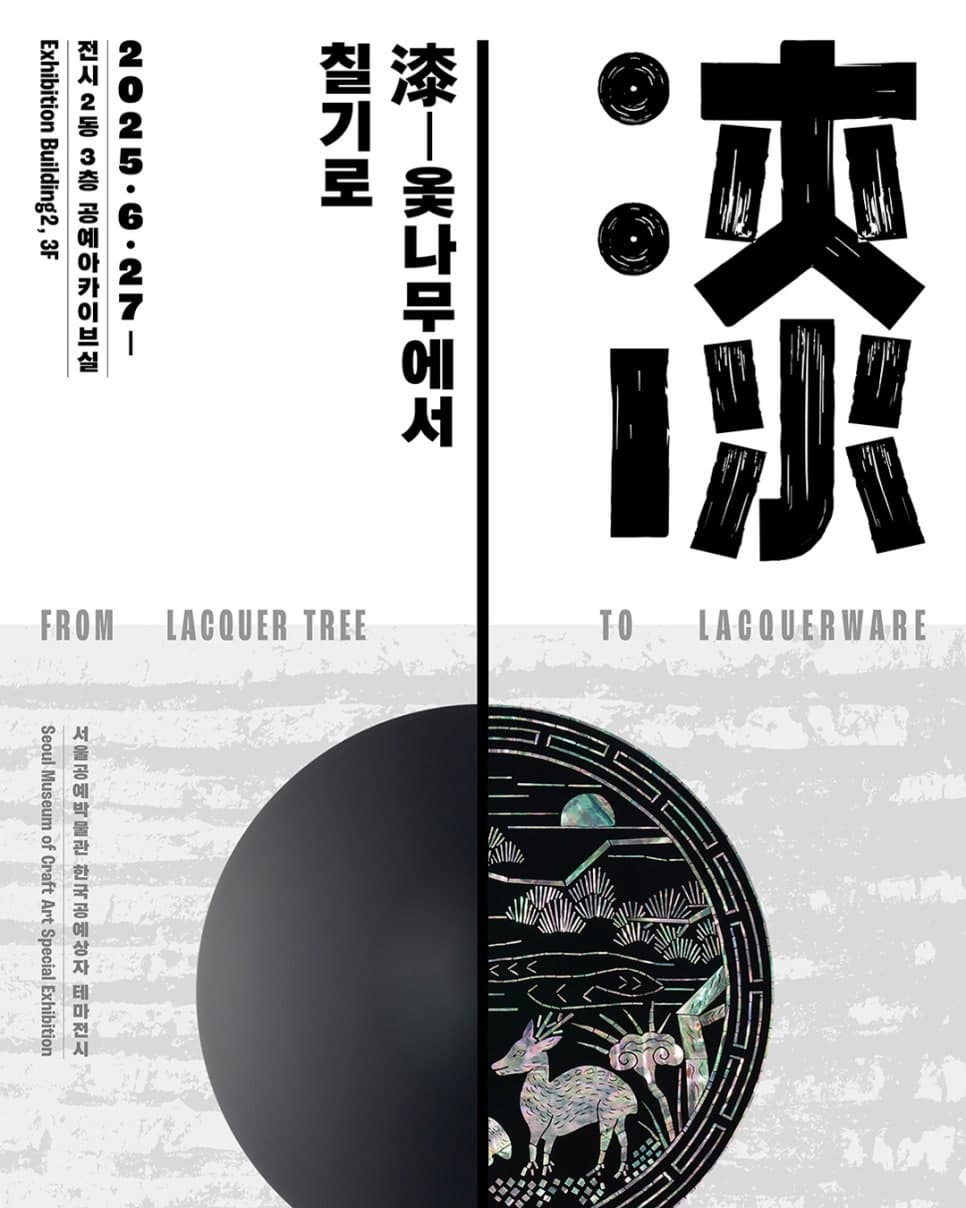
Ott: From Lacquer Tree to Lacquerware (漆 옻나무에서 칠기로)
Fri, Jun 27 – Thu, Dec 31Free entry

Ko Hui-dong Art Museum 6th Reopening Anniversary: “Evergreen — The Dignity of the Gentleman” (고희동미술관 재개관 6주년기념전시 「만고상청萬古常靑: 군자의 품격」)
Fri, Sep 5 – Sun, Dec 27Free entry
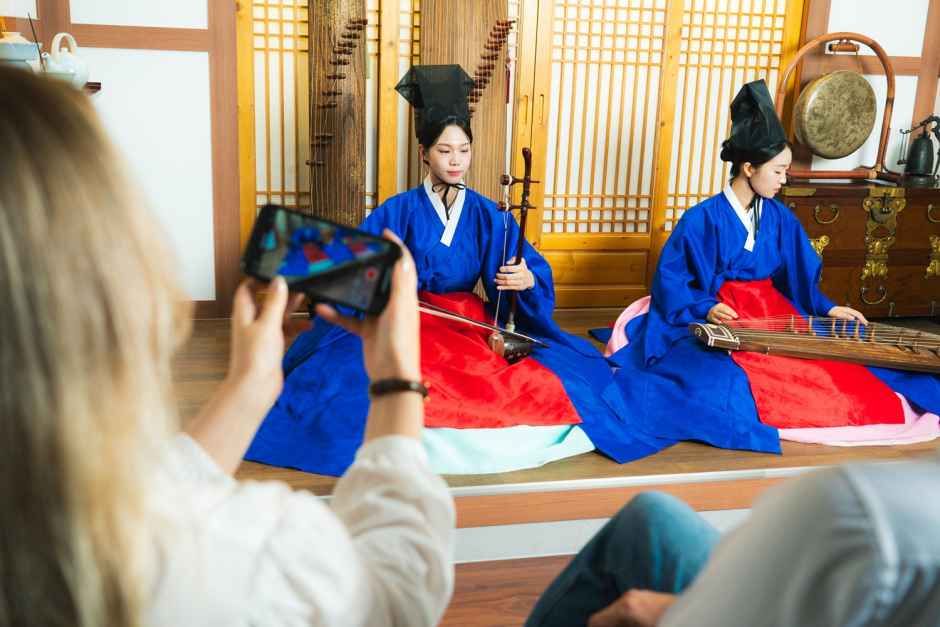
Gugak Performance Jinyeon (국악공연 진연)
Thu, Jan 1 – Thu, Dec 31

Lee Cheol-jin Dance (Han Young-sook style): Seungmu Only (한영숙류 이철진 춤: 오직 승무)
Mon, Jan 12 – Mon, Dec 28
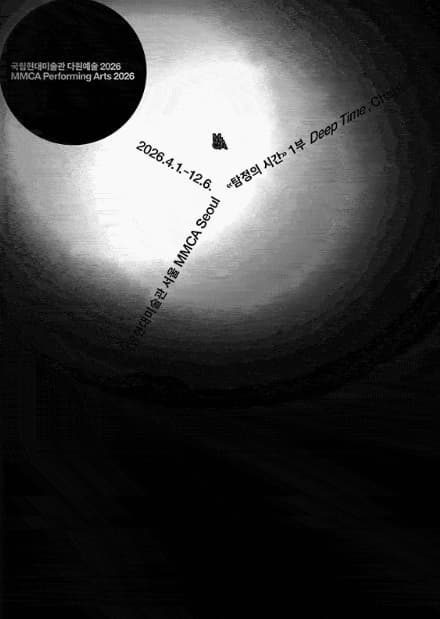
MMCA Multidisciplinary Art 2026: The Detective’s Time (MMCA 다원예술 2026: 탐정의 시간)
Wed, Apr 1 – Sun, Dec 6
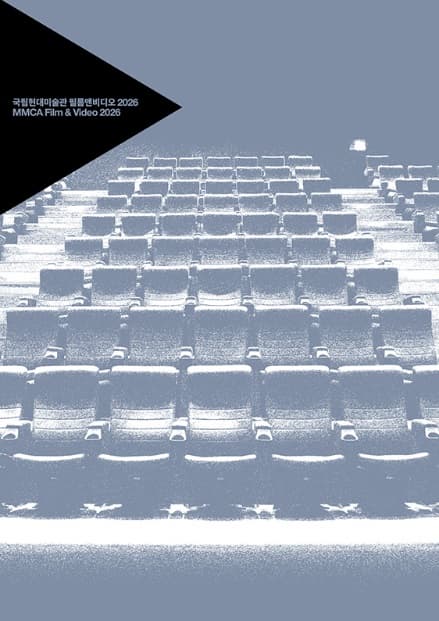
MMCA Film & Video 2026 (MMCA 필름앤비디오 2026)
Mon, Apr 20 – Sun, Dec 20
Nearby places


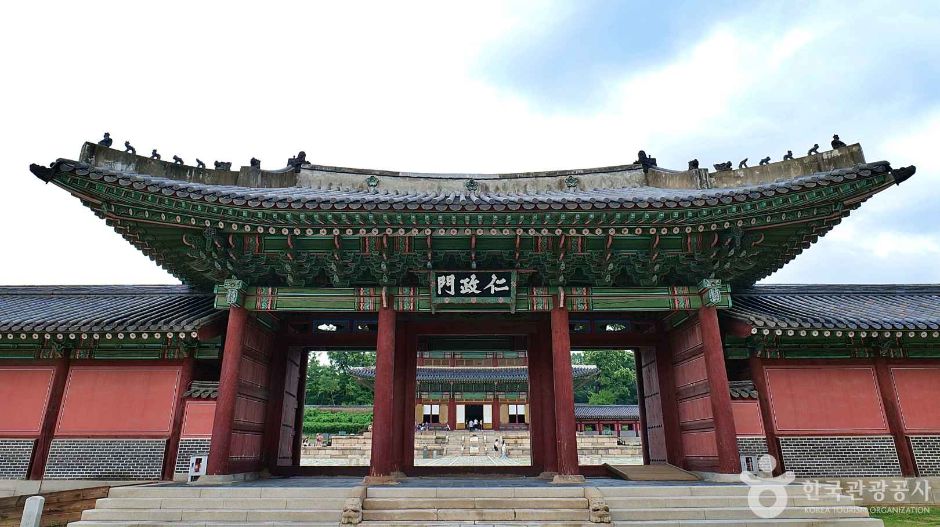


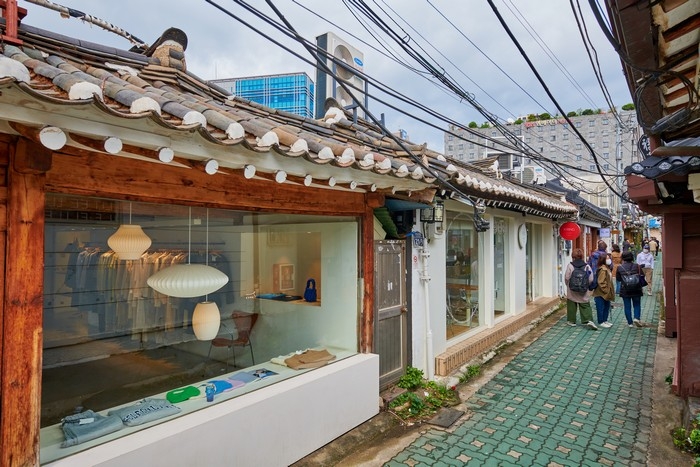
Photo & data: Korea Tourism Organization · KOGL Type 3