

Bomunsa Temple보문사(서울)
Name translated by Tripbloom
서울특별시 성북구 보문사길 20 (보문동3가)
Nearest subway station
6WBomun
about 258 m away
About
Registered as a traditional temple of Seoul, Bomunsa Temple is located in Bomun-dong, Seongbuk-gu, Seoul, and was founded in 1115, the 10th year of King Yejong of Goryeo, by National Preceptor Damjin. Notably, Toegyeong Jeonseo – Bomunsa Ilsin Geonchukgi, written by Toegyeong Gwon Sang-no (1879–1965), records that Bomunsa has long been a temple where Buddhist nuns resided and prayed for the peace of the nation and the prosperity of the royal family. The history in between had not been handed down, but in 2017, during restoration work on Geungnakbojeon Hall, an intact ridge-beam inscription was discovered, confirming these historical facts. Geungnakbojeon Hall, which took its present form then, was first rebuilt in 1747 (the 23rd year of King Yeongjo), and was restored for the first time in 1824 (the 24th year of King Sunjo) and a second time in 1865 (the 2nd year of King Gojong). According to Toegyeong Jeonseo, the monk Subong Beopchong built Manseru Pavilion in 1826, and the monk Jeongun built the monks' quarters on either side in 1827. It also records that the monk Yeongjeon repaired Manseru Pavilion in 1842, and the monk Geumhun restored the monks' quarters on either side in 1872. The discovery of the Geungnakbojeon ridge-beam inscription shows that Buddhist nuns have continuously lived and practiced at Bomunsa since the 1800s. In particular, the inscription dated the 4th year of Tongzhi shows that, as a temple founded on royal vows, Bomunsa carried out its Buddhist works with donations from the Joseon royal family, and that people from all walks of life took part, from royal concubines and court ladies to the nobility and commoners. Bomunsa holds royal palanquin ornaments and an Illowang banner bestowed by the royal court, as well as late Joseon paintings including Seokgabuldo (Buddha painting), Sinjungdo (painting of guardian deities) and Jijangbosaldo (painting of Ksitigarbha Bodhisattva), which are designated as Seoul Tangible Cultural Heritage. An early Joseon edition of the Lotus Sutra is designated as National Heritage, and many other tangible and intangible heritage items remain at the temple.
Description translated by Tripbloom from Korea Tourism Organization data
 K-MetroKorea Subway Map · route to BomunOpen
Events nearby
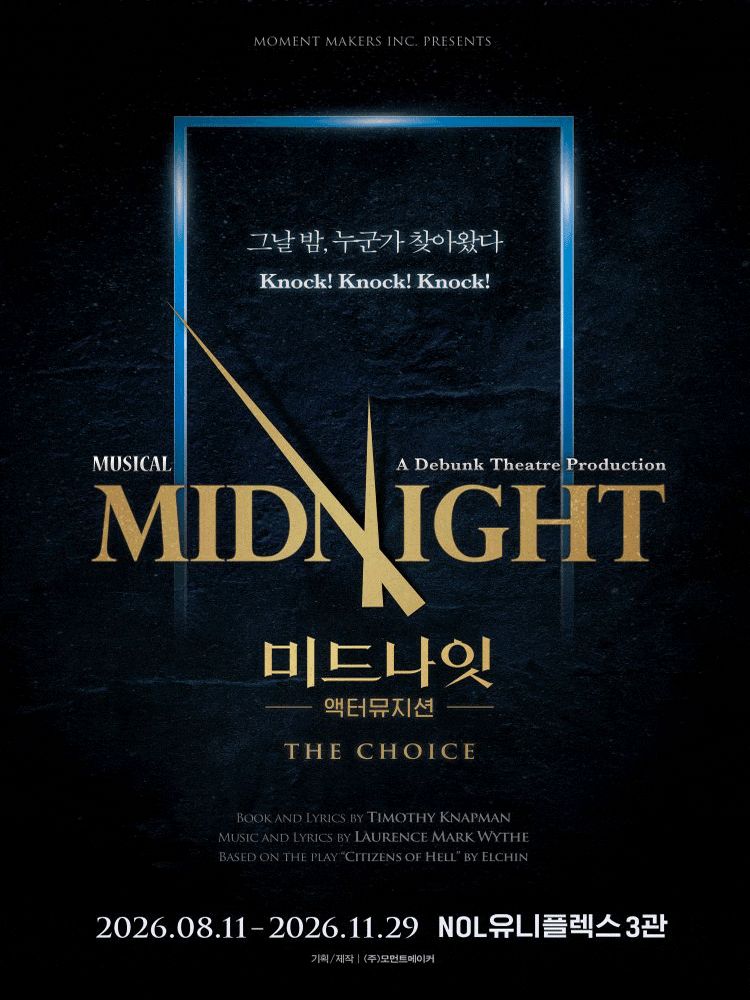
[Daehangno] Midnight: Actor-Musician — THE CHOICE ([대학로] 미드나잇: 액터뮤지션 THE CHOICE)
Tue, Aug 11 – Sun, Nov 29
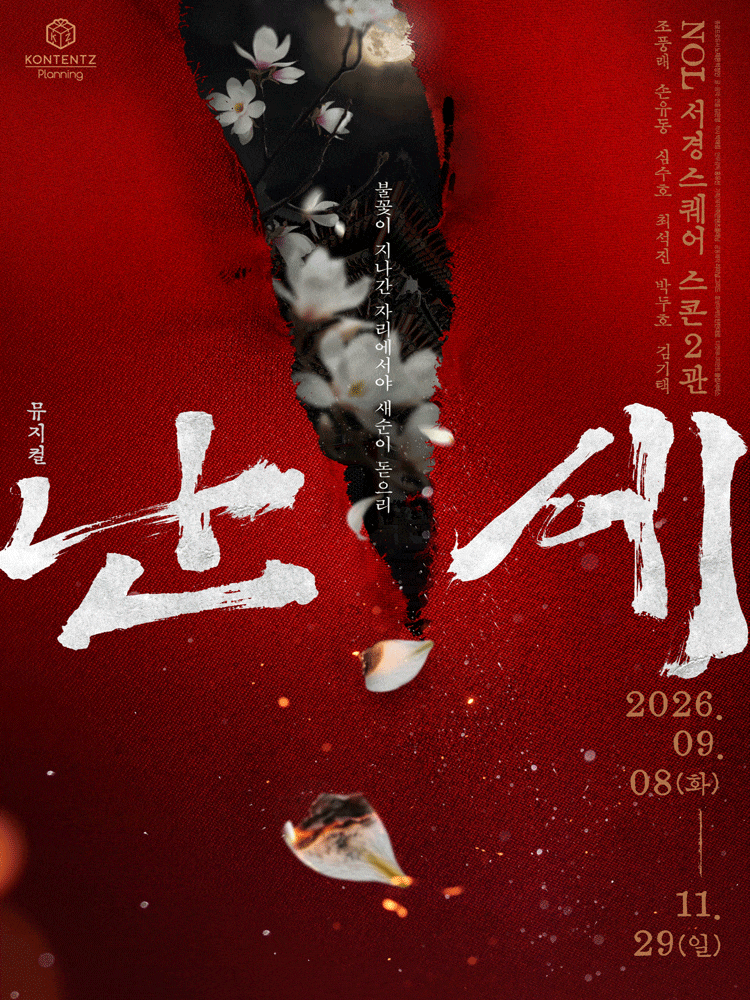
[Daehangno] Turbulent Times: Jeong Do-jeon and Yi Bang-won ([대학로] 난세: 정도전과 이방원의 이야기)
Tue, Sep 8 – Sun, Nov 29
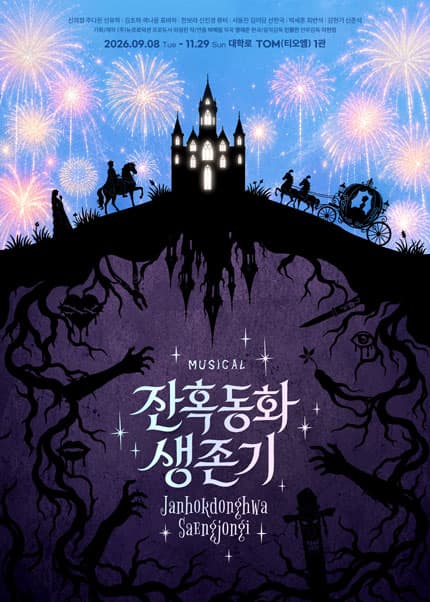
[Daehangno] Surviving a Cruel Fairy Tale ([대학로] 잔혹동화 생존기)
Tue, Sep 8 – Sun, Nov 29
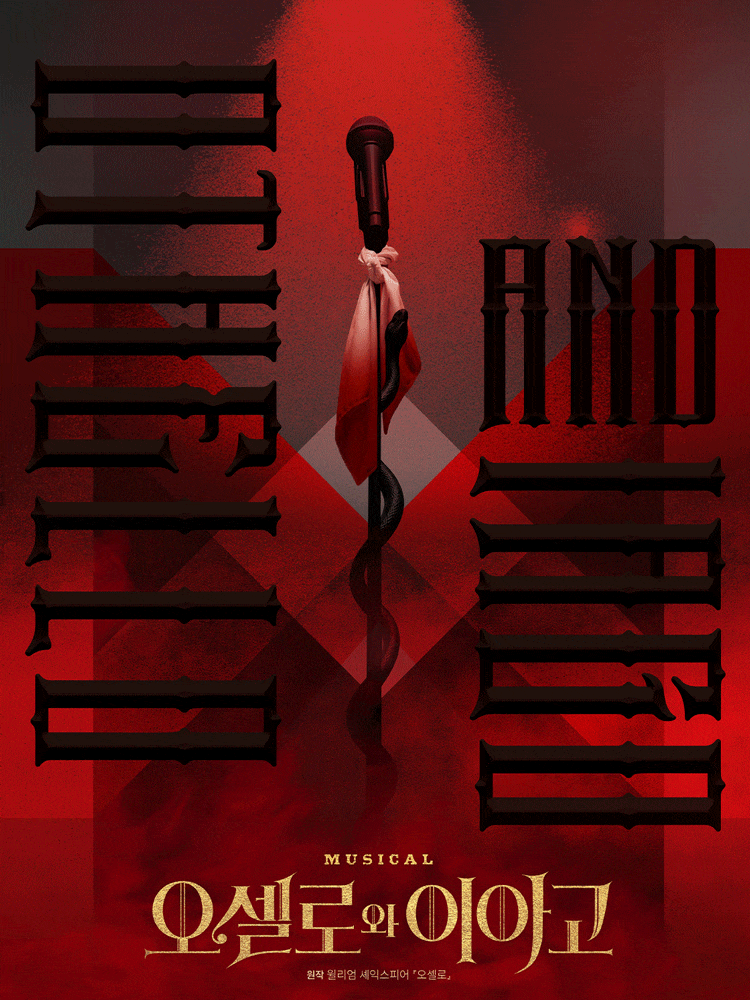
[Daehangno] Othello and Iago ([대학로] 오셀로와 이아고)
Tue, Sep 8 – Sun, Nov 22

The Socratic Paradox (소크라테스 패러독스)
Thu, Sep 10 – Sun, Nov 29
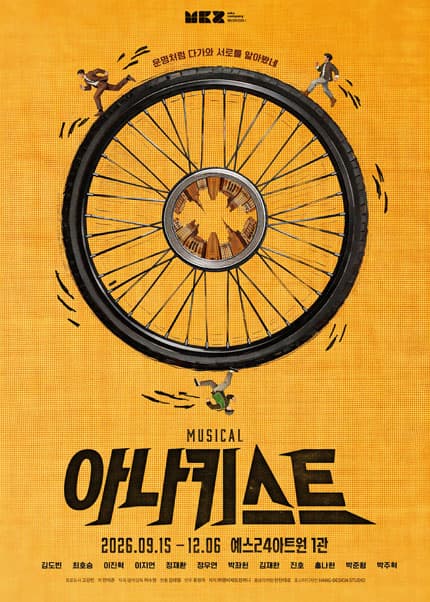
[Daehangno] Anarchist ([대학로] 아나키스트)
Tue, Sep 15 – Sun, Dec 6
Nearby places

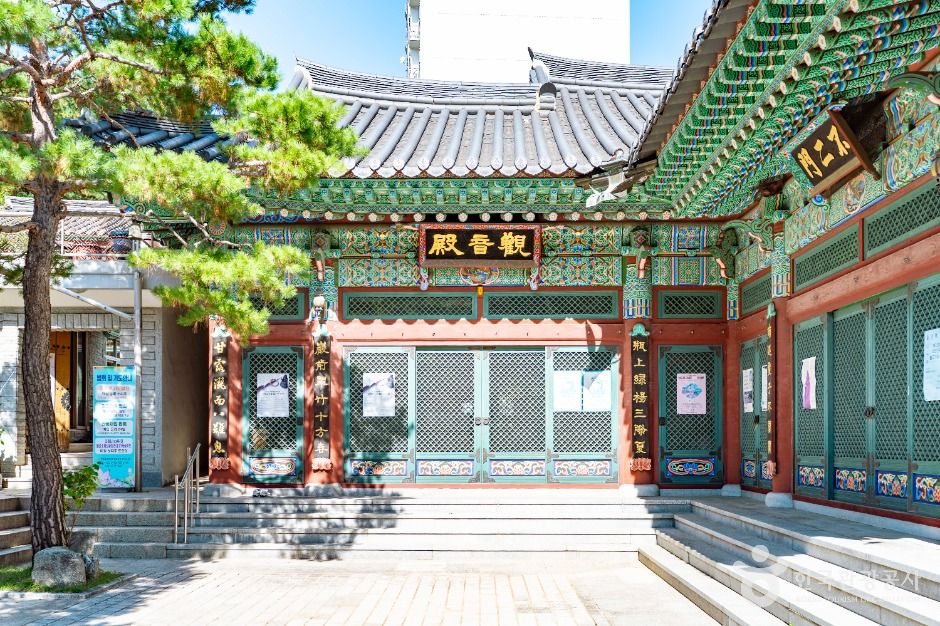


Photo & data: Korea Tourism Organization · KOGL Type 3